On the Third Wednesday, Miramar Opens Its Doors
September 17, 2026
September 17, 2026
Most evenings, Miramar keeps to itself. The sidewalks along Ponce de León are wide enough for two people to walk side by side under the shade trees, but nobody is rushing anywhere, and the historic homes set back from the street give little away about what happens inside. Once a month, that changes. On the third Wednesday, from three in the afternoon until nine at night, the neighborhood stops being a collection of separate addresses and starts acting like a single building with many rooms.
The event is called Noches de Barrio, and its next installment falls on Wednesday, September 16, 2026, the same cadence it has held since it began. What makes it worth understanding, if you already live here, is not that it is a party. It is that the format only works because of infrastructure that was already sitting quietly on these blocks long before anyone organized an evening around it.
Noches de Barrio opens inside the Conservatorio de Música de Puerto Rico, where students give live performances to open the evening. That choice of venue is not incidental. The Conservatorio has trained musicians in this neighborhood for years, and for eleven months out of twelve its recitals happen for an audience of families and faculty. On the third Wednesday, the doors stay open to anyone walking by, and the building becomes the starting gate for a route that spills out onto the surrounding streets.
From there, the evening becomes a walk rather than a single stop. Attendees move on foot to a rotating set of participating businesses for live jazz, painting classes, clay workshops, and sound healing sessions, alongside a market of local artisans and creators. The event's second edition, held in November 2025, listed Casita Miramar, Jamón Jamón, Budare, Ocho Cielos, and the Hotel Don Rafa among the stops, each contributing its own creative touch to the night.
The organization behind it is Kaypi, run by cofounders Michelle González Torricella and María Méndez Calaf. In describing why the event exists, they framed it around a simple idea about where culture actually lives.
"la cultura no vive solo en los teatros"
Culture does not live only in theaters, in their telling, but also in the streets, balconies, and businesses of the neighborhood. That is a fair description of what the third Wednesday actually demonstrates: nothing new is built for the night. Existing rooms simply open their doors at the same time.
It would be easy to read a single well-attended edition as a nice evening that happened once. The pattern says otherwise. Noches de Barrio runs on the third Wednesday of every month, which means residents do not need to track down a special announcement to find it. It is closer to a standing appointment than a festival, free to attend, with the lineup of workshops and performers changing but the shape of the evening staying constant. Following the event's social account is the simplest way to see which businesses and performers are on the route for a given month, since the roster shifts even as the format holds steady.
That reliability matters more than the specifics of any single edition. A one-time pop-up tells you nothing about a neighborhood's rhythm. A monthly fixture that has now run multiple editions tells you the businesses along the route see enough value in participating to keep showing up, and that residents keep walking the same few blocks on the same Wednesday without needing to be convinced twice.
Walk a few blocks from the Conservatorio on any day of the month, not just the third Wednesday, and you will pass 607 Calle Cuevillas, a French Neoclassical Revival house from 1913 known locally as the Pink House, or Casa Rosada. It now holds MADMi, the Museo de Arte y Diseño de Miramar, and the building's own history explains why a design museum ended up here rather than somewhere newer.
The house belonged to Eduardo Méndez Bagur and served for years as a residence and working studio for Puerto Rican artists, among them Lorenzo Homar. When the nonprofit behind MADMi took over the property, the renovation preserved the original exterior shell while converting the interior into gallery space, so the museum sits inside the same walls that once held an artist's studio rather than a purpose-built white cube. MADMi is open Tuesday through Saturday, from 10 in the morning to 5 in the evening, and its current exhibition, Among Ruins: Contemporary Art from Puerto Rico, runs alongside a permanent collection tracing mid-century Puerto Rican design.
None of that required Noches de Barrio to exist. MADMi was already there, already free-standing as a cultural stop on a residential street, doing the same work in daylight hours that the third Wednesday does at dusk. The monthly event does not invent culture in Miramar. It sequences culture that the neighborhood already had scattered across its blocks into one walkable evening.
Noches de Barrio runs until nine, which leaves a window after the formal programming winds down and before most residents are ready to call it a night. The Miramar Food Truck Park, on Avenida de la Constitución near Ponce de León, tends to fill that gap on any given week, third Wednesday or not. Its roster rotates, but recurring names include Leña Eh for roasted meats, Pa'l Pita, LaChona, Zhencha for bubble tea and Asian dishes, and Pollos Scharneco. The park keeps its own hours, closed Mondays, open through the afternoon and into the evening the rest of the week, which means it functions as a dependable landing spot regardless of what else is happening on the calendar that month.
That overlap of hours is worth noticing. A museum on a daytime schedule, a monthly evening circuit that runs until nine, and a food truck park open into the night are three separate pieces of infrastructure that happen to interlock. None of them was designed around the other two. Miramar simply accumulated enough small, independently run venues, close enough together, that a resident can string them into one evening without planning much beyond picking a Wednesday.
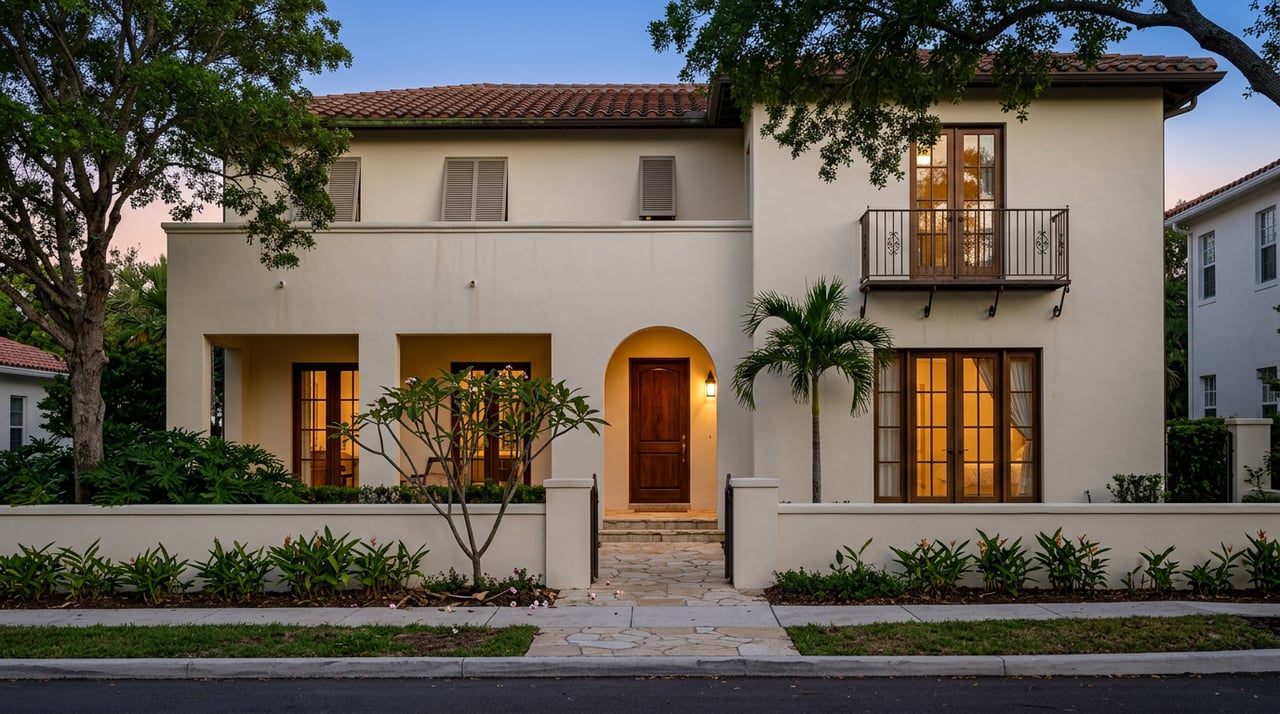
Miramar was listed on the Puerto Rico Register of Historic Sites and Zones in 2007, a designation tied to its concentration of early twentieth century homes, including several by the architect Antonin Nechodoma working in the Prairie School style. That protection has kept the blocks at a human scale, low buildings, mature trees, sidewalks generous enough for foot traffic, rather than the denser high-rise pattern found closer to the beach. It is easy to treat a historic district listing as a legal fact with no bearing on daily life. Here it has a direct bearing: the same zoning restraint that protects Nechodoma's houses is what keeps this neighborhood walkable enough for an event like Noches de Barrio to work on foot rather than requiring a car between stops.
That is the actual thesis worth taking from all of this. Noches de Barrio is not a special event that was imported into Miramar. It is a monthly demonstration of a walkability and cultural density that the neighborhood already had, built up over a century of protected residential architecture, an active conservatory, an artist's house turned museum, and a food truck park that keeps its own hours. The third Wednesday just turns all of it on at the same time, for six hours, so the pattern becomes visible in one evening instead of staying spread across a month.
If you already live within walking distance of the Conservatorio, the practical move is straightforward. Mark September 16 on the calendar, start at the Conservatorio for the student performances, follow whichever businesses are on that month's route, and let the evening end wherever the food truck park happens to be busiest that night. You do not need to wait for the next edition to see the rest of it. MADMi keeps its Tuesday through Saturday hours all year, and the food truck park is there most nights the third Wednesday is not.
For residents who find themselves paying closer attention to Miramar's blocks after a walk like that, whether out of simple curiosity about the neighborhood's history or something more practical, Wow Real Estate Puerto Rico is glad to talk through what a specific block or building actually holds. Begin a Private Conversation whenever the timing is right.

Guanina Cintrón is the co-founder of Wow Real Estate Puerto Rico and a trusted luxury real estate advisor known for her integrity, vision, and client-first approach. A Certified Luxury Home Marketing Specialist with Million Dollar Guild™ recognition, she provides world-class representation to buyers and sellers of high-value properties across Puerto Rico. Drawing on 17 years of corporate experience and her role as the only Puerto Rico–based member of REALM Global, Guanina offers clients unmatched expertise, global reach, and personalized guidance. Whether representing a beachfront estate, a private community, or a strategic relocation, she is dedicated to delivering seamless results and life-changing experiences.
📍 7 Calle Tobonuco Ste #104-1204, Guaynabo, PR 00968
📞 (787) 642-3304


Stay up to date on the latest real estate trends.
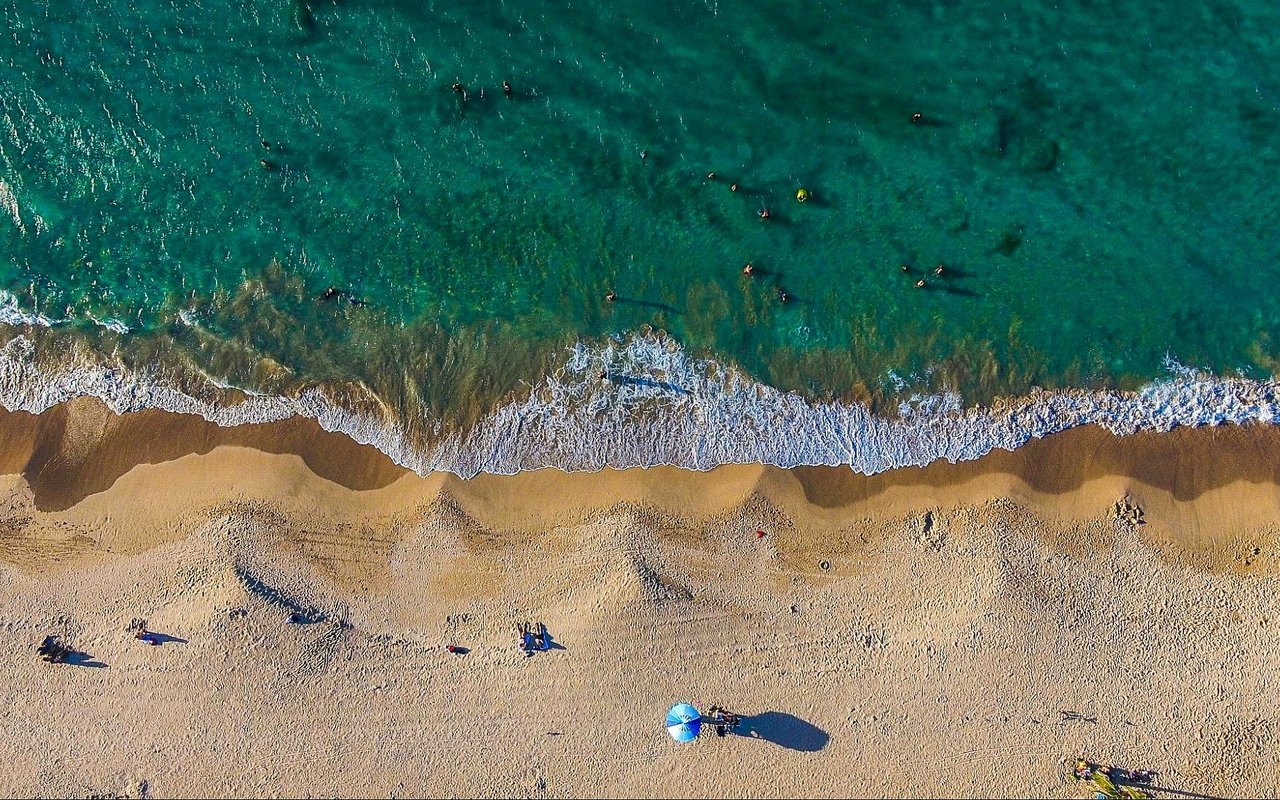
Where to Find Quiet, Secluded Moments Across the City.
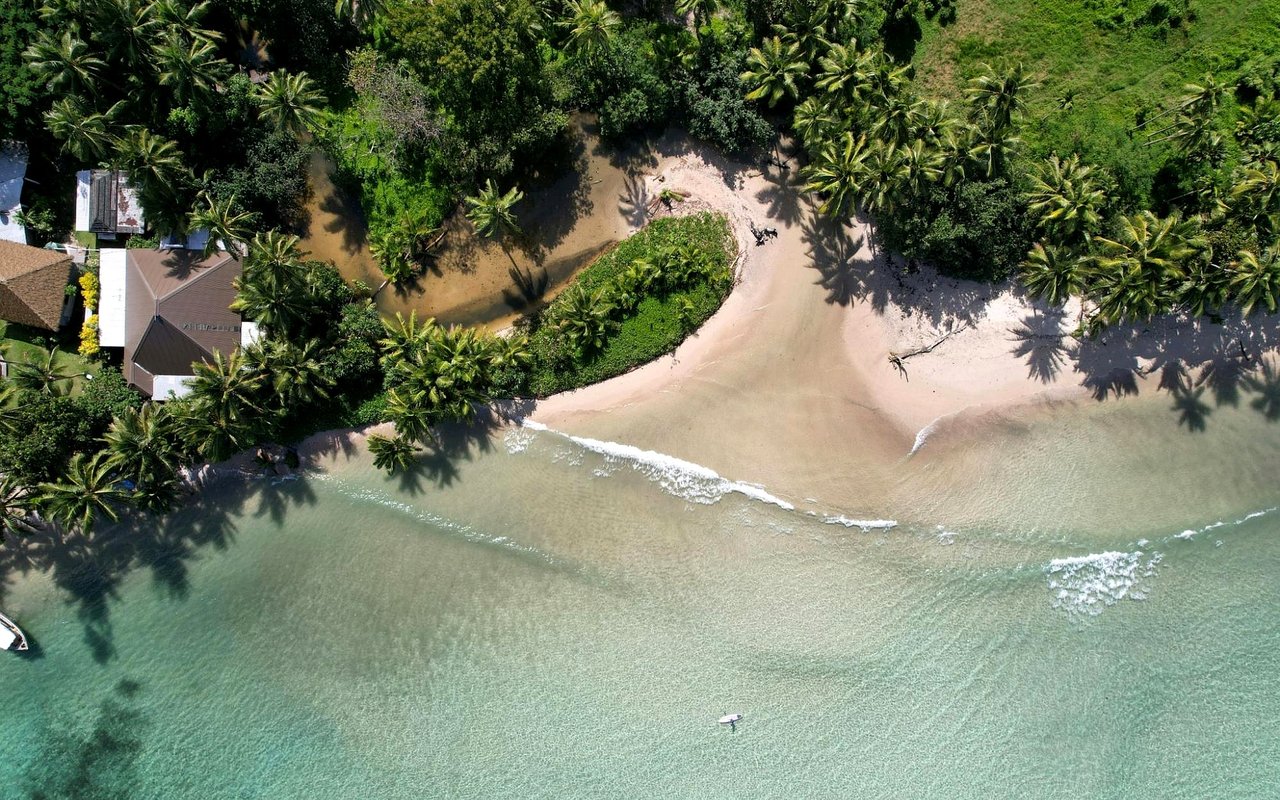
How to Invest in Features That Fit Island Living.

As industry leaders in the luxury real estate market in Puerto Rico, we leverage our deep understanding of the local market and our extensive experience in facilitating high-value transactions. Our expertise allows us to develop and execute tailored sales, marketing, and negotiation strategies for our clients. Our ultimate objective is to fulfill their dreams and create a lasting positive impact in their lives.
Guanina Cintrón